
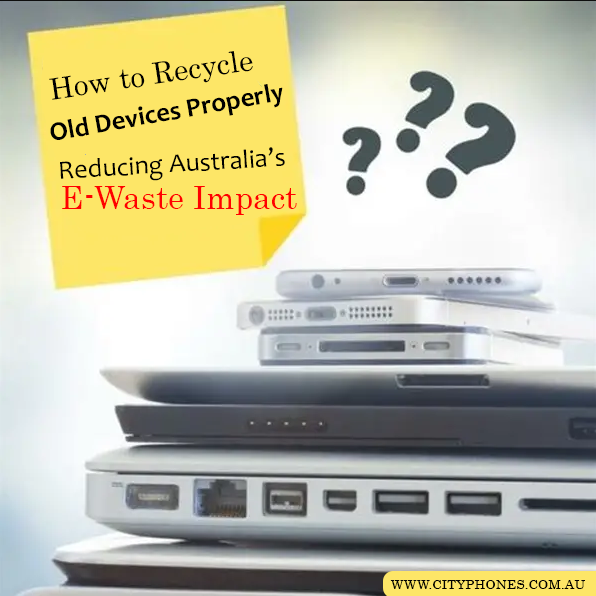
Environmental Impact of Device Disposal: How to Recycle Properly
The Scale of Australia’s E‑Waste Problem
Australia’s Massive E-Waste Generation
Every year, Australians generate approximately 554,000 tonnes of e-waste. Mobile phones, tablets, and laptops make up a significant portion of this total. Most people don’t realize the environmental consequences of simply throwing away their old devices.
Underestimated Environmental Impact
The environmental impact of device disposal is often underestimated. This guide explains the real impact of improper device disposal and provides practical steps you can take to recycle responsibly.
Key E-Waste Statistics
Each Australian generates approximately 21-23kg of e-waste annually, making us one of the world’s largest per-capita e-waste producers. By 2030, Australia’s e-waste generation is projected to rise to 657,000 tonnes—a 30% increase from current levels.
The Recycling Gap Crisis
Despite this crisis, only 40-54% of e-waste is properly recycled, while the remainder ends up in landfills or illegally exports to developing countries for informal recycling—often burned in unsafe conditions. Shockingly, 35% of Australians don’t know they can recycle their e-waste at all, while 17% are unaware e-waste is an environmental problem. Additionally, an estimated 63% don’t realize e-waste from Australia is often dumped in developing countries.
What’s Inside Your Phone That’s Toxic?
Heavy Metals and Hazardous Materials
Understanding what makes e-waste dangerous helps explain why proper disposal matters so much. For example, the environmental impact of device disposal includes heavy metals found in smartphones, such as lead (which damages nervous systems), mercury (that accumulates in fish and enters the food chain), cadmium (carcinogenic and contaminates soil for decades), and lithium (highly reactive and causes fires in landfills). Additionally, phones contain brominated flame retardants, arsenic, and beryllium.
How Toxins Contaminate Our Environment and Food
When phones end up in landfills, these materials leach into groundwater, contaminate soil, and eventually enter our food and water supply. Moreover, in informal recycling sites—particularly in developing countries—workers face exposure to these toxins without protection, causing severe health problems. Therefore, the environmental impact of device disposal is not confined to one region; it’s a global concern. Specifically, children in these communities suffer developmental delays from lead exposure, while fish in contaminated waterways accumulate mercury that reaches our dinner tables.
The Hidden Environmental Cost of Manufacturing
Water, Energy, and Carbon Footprint
Before discussing recycling, it’s important to understand the environmental cost of creating a new phone. Manufacturing one smartphone requires 13 tonnes of water and 300-500 kWh of electricity. One phone produces 60kg of CO₂ equivalent—the same as driving 200km by car.
Mining Destroys Ecosystems and Communities
Mining for materials destroys ecosystems, consumes enormous water, and creates habitat loss. This is why extending your phone’s life through repair is so valuable. Repairing devices prevents unnecessary extraction of virgin resources and reduces the demand for new manufacturing processes.
Urban Mining: The Value Hidden in Your Old Phone
Gold and Precious Metals in Your Pocket
Here’s something remarkable: one tonne of iPhones contains 300 times more gold than one tonne of gold ore. The metals in discarded phones are far more concentrated than natural ore deposits—this is called “urban mining.”
Recovering Valuable Materials From E-Waste
From one million recycled phones, you can recover 35,000 pounds of copper, 772 pounds of silver, 75 pounds of gold, and pounds of palladium and rare earth metals. These recovered materials you can reuse in new phones, computers, jewelry, and electronics without requiring destructive mining operations.
Repair vs Recycle: What to Choose?
When Should You Repair vs. Recycle?
Repair should be your first choice whenever possible. Here’s why:
Repair Option:
- iPhone screen replacement: $129-$399
- Battery replacement: $79-$149
- Water damage repair: $149-$399
- Extends phone life by 2-3 years and prevents 1.2kg of e-waste
Replacement Option:
- New iPhone 16: $1,299+
- Creates 60kg of CO₂ emissions
- Requires 13 tonnes of water to manufacture
- Generates 1.2kg of e-waste from the old phone
The Math: Repairing your iPhone 14’s screen costs $249. Buying a new iPhone 16 costs $1,299. You save $1,050 while keeping e-waste out of landfills, reducing the environmental impact of device disposal.
Sometimes you should recycle when your device won’t power on despite battery replacement, your screen damage is extensive, water has damaged it beyond repair, multiple components fail simultaneously, or it’s obsolete and can’t be refurbished
How to Prepare Your Device for Recycling
Before recycling your device, follow these important steps to minimize the environmental impact of device disposal:
- Back Up Important Data
- Sign Out of Services
- Factory Reset Your Device
- Remove Additional Items
- Recycling Options for Accessories
Phone Cases: Most plastic cases are recyclable; bring to City Phones. Leather cases can be composted.
Chargers and Cables: USB-C and Lightning chargers are recyclable. Separate from other items before drop-off.
Screen Protectors: Place tempered glass in glass recycling bins. Do not mix with regular plastic recycling.
Batteries: Never put in regular recycling bins (fire hazard). Always bring lithium batteries to proper recycling facilities.
Every smartphone contains valuable materials and toxic substances. The choice you make when your device reaches end-of-life affects the environment, global communities, your wallet, and the circular economy, due to the environmental impact of device disposal.
Visit your nearest e-waste recycling center today to recycle your old device, trade-in working devices, or discuss repair options. Together, we can reduce Australia’s e-waste footprint, one device at a time.




Leave a Reply