
Wireless vs Wired Accessories: Complete Comparison Guide for 2026
This article provides a wireless or wired headphones comparison for students.
Essential Accessories University Students
When heading off to college, having the right gear can make all the difference. Here, we explore some essential accessories university students need to succeed academically and socially.
TextRun SCXW170985414 BCX8″ lang=”EN-US” xml:lang=”EN-US” data-contrast=”none”> NormalTextRun SCXW170985414 BCX8″>The great tech debate continues:
Are wireless accessories truly better, or do traditional wired options still reign supreme?
In 2026, neither wins universally each excels in different scenarios. This comprehensive guide compares wireless and wired across every major category, weighing real world performance, costs, and practical advantages to help you make informed decisions about your tech setup. Moreover university students searching for essential accessories may benefit from this comparison.
-
Headphones & Earbuds: Convenience vs Pure Audio
Wireless Wins For:
- Mobility & Freedom: No cable tangling during workouts, commutes, or multitasking
- Modern Features: Active noise cancellation (ANC), spatial audio, touch controls
- Ecosystem Integration: Seamless pairing across Apple, Google, Samsung devices
- Professional Integration: Used in live sound, presentations, and hands free communication consequently crucial for essential university student accessories.
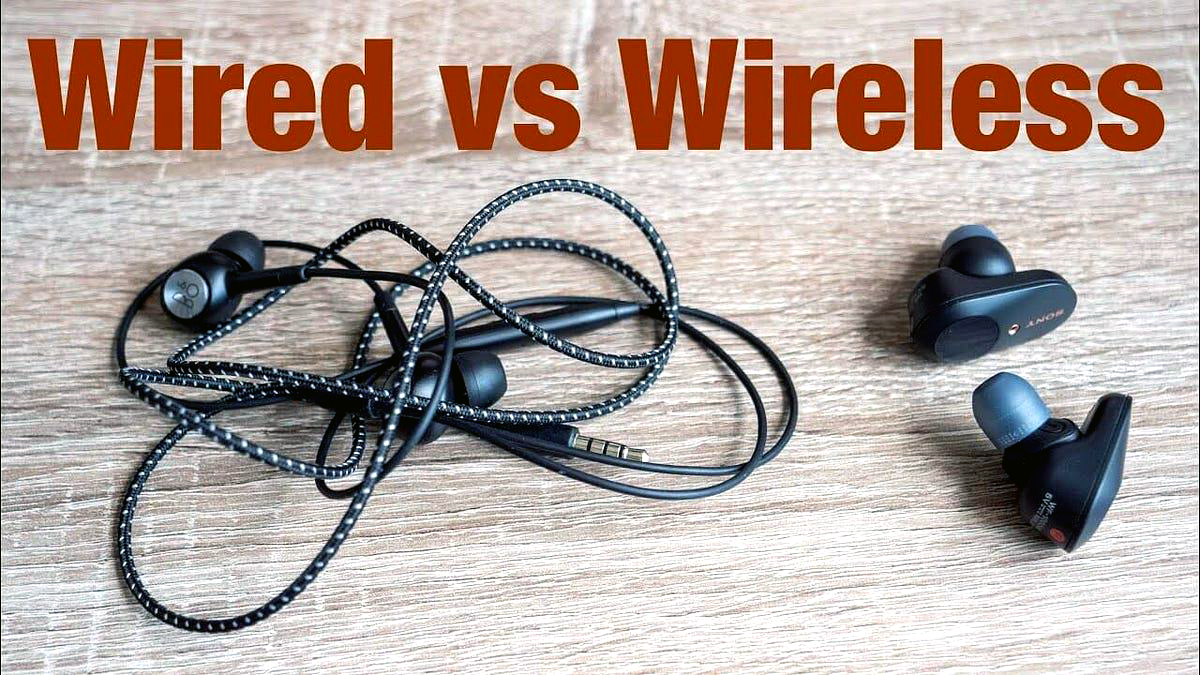
Reality Check: Premium wireless earbuds cost $80-250, while quality wired equivalents run $15 – 40
Wired Wins For:
- Superior Sound Quality: No Bluetooth compression transmits full uncompressed audio data
- Zero Latency: Perfect for gaming, video editing, and professional monitoring (essentially 0ms vs 30 200ms wireless)
- Unlimited Battery: Never dies when plugged in
- Perfect Reliability: No pairing glitches, dropouts, or interference issues
- Upgradeability: Works with external DACs and amplifiers for enhanced sound
The Audio Truth: Even Sony’s LDAC codec (top Bluetooth standard) compresses audio to 990 kbps, while CD quality audio needs 1,411 kbps and high resolution audio exceeds 9,000 kbps. Wired delivers uncompressed data every single time.
Best For Different Users:
- Casual listeners (podcasts, streaming, music): Wireless excellent, difference barely noticeable
- Audiophiles & content creators: Wired mandatory no compression, no latency
- Gamers & musicians: Wired for competitive edge and precision timing
-
Charging Systems: Speed vs Convenience
Charging Speed Reality (2026 Standards)
| Method | Power Output | 0 50% Time | Full Charge | Efficiency |
| Wired Fast Charging | 20 45W (phones) | 25 35 min | 70 90 min | 95%+ |
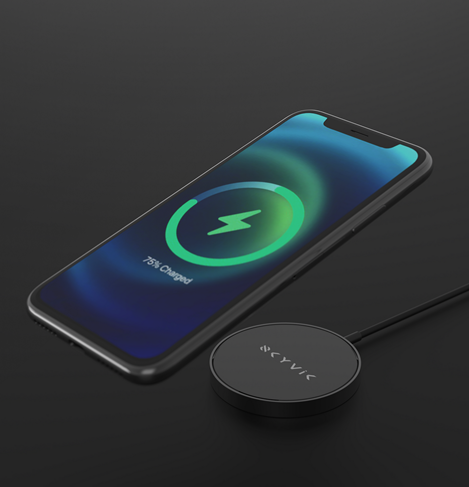
| Wireless Charging | 5 15W (standard), up to 25W (Qi2) | 45 70 min | 3 4 hours | 50 60% |
| Ultra Fast Wired | 65 140W+ (laptops/tablets) | 10 20 min | 30 60 min | 95%+ |
Wireless Wins For:
- Desk Tidiness: No cable clutter, minimalist aesthetics
- Convenience: Plop device down and forget it’s charging
- Multi device Solutions: Some pads charge phone + earbuds + smartwatch simultaneously
- Zero Port Wear: Eliminates repeated cable plugging that degrades charging ports over time
Wired Wins For:
- Speed: 45 minute full charge vs 3-4 hours wireless
- Reliability: Consistent charging regardless of phone case thickness or placement
- Battery Health: Less heat generation wireless produces 40-50% more energy waste as heat
- Emergency Charging: 15 minutes yields hours of usable battery
- Cost: USB C chargers $10-25; wireless pads $30-80
Energy Cost Reality: Wireless charging wastes 40-50% more energy from the wall outlet to fully charge your phone compared to a direct cable connection.
Best Practice for 2026:
- Overnight: Use wireless charging pads for convenience and zero port stress
- Daytime/Emergency: Keep USB C wired chargers for speed when you need power quickly
- Travel: Always pack wired chargers faster backup when needed most

-
Keyboards & Mice: Gaming vs Office
Input Lag Comparison
Wired Gaming Keyboard: 1 2ms latency (1000Hz polling rate)
Wireless Keyboard: 30 79ms latency (depends on receiver distance, interference)
Real World Impact: In competitive games like Valorant, CS:GO, or Apex Legends, that 79ms difference translates to missing critical shots and losing gunfights. Professional esports players use wired exclusively.
Wireless Wins For:
- Office/Productivity: Lag unnoticeable for typing, emails, documents
- Desk Organization: Cable free setup, reduced clutter
- Mobility: Move between different desks/rooms without detaching cables
- Battery Life Improving: Modern 2.4GHz wireless offers 1-3 months battery (previously 2-4 weeks)
Wired Wins For:
- Gaming: Direct connection = instant keystroke registration
- Consistency: No interference, no dropouts, zero lag variance
- Reliability: Works immediately, always responsive
- No Battery Anxiety: Works forever as long as it’s plugged in
- Cost: Quality wired combos $20-50; wireless $60-150+
Verdict: Office workers benefit from wireless. Furthermore serious gamers even casual competitive players must use wired for split second response requirements.
-
Power Banks: Wired Output Still Superior
Charging Performance Comparison
Wired Power Bank Output:
- Standard: 5-10W (USB A)
- Fast: 15-30W (USB C PD)
Wireless Power Bank Output:
- Standard: 5-10W Qi
- Advanced: Up to 15W
Reality: Most portable power banks with wireless charging capability deliver electricity via wired USB outputs because of primary device charging, then offer wireless pad for secondary devices.
Better Approach: Carry wired power bank (faster) + optional wireless charging pad (convenience).
-
Audio Cables & Adapters: The USBC Revolution
2026 Game Changer: In addition USB C adoption eliminates the wired vs wireless debate for many users.
- Single cable charges phone, laptop, tablet, headphones
- Wired audio + charging through one connection
- Faster than any wireless alternative
-
-
Smartwatch & Fitness Tracker Charging
Wired Charging
- Magnetic cable connections (proprietary)
- 30-60 minute full charge
- Most reliable, fastest
Wireless Charging
- Qi-enabled watches (premium models)
- 60-90 minute full charge
- Convenient but adds bulk to watch thickness
- More expensive models
Verdict: For most users, wired proprietary charging is standard and perfectly acceptable. Additionally Wireless adds minor convenience at significant cost most buyers prioritize lightweight watches over wireless charging capability.
Cost of Ownership: 2 Year Total
EARBUDS:
Wireless: $150 + $30 replacement battery = $180
Wired: $25 (lasts indefinitely)CHARGERS:
Wireless pad: $50 + electricity waste = ~$60
Wired USB C: $15 + longer lifespan = $20KEYBOARD/MOUSE:
Wireless: $100 + $20 annual batteries = $140
Wired: $40 (no battery costs) = $40
Total 2-Year Ownership Winner: Wired (significantly cheaper)
The Sustainability Question
Environmental Impact: Wireless devices generate more e waste (batteries degrade)
- Wired accessories last decades with proper care
- Wireless charging wastes 40-50% more grid energy
Conclusion:
Smart Hybrid Strategy: Best 2026 Approach
Use Case Choose Gaming/Esports Wired keyboard + mouse Music production/Editing Wired headphones + external DAC Office/School Wireless mouse, wired charger backup Gym/Running Wireless earbuds (accept audio loss) Overnight Charging Wireless pad (convenience) Emergency Charging Wired USB C (speed) Casual Listening Wireless (convenience > fidelity) Professional Sound Wired exclusively Conclusion: Match Accessories to Priorities
Choose Wireless For:
- Convenience and mobility (earbuds during workouts)
- Minimalist desk aesthetics
- Casual content consumption
- Freedom from cables
Choose Wired For:
- Performance and gaming
- Professional audio/video work
- Fast charging when time matters
- Long term cost savings
- Environmental responsibility
Neither wins universally in 2026 – your decision should depend on what you actually do with each accessory, not marketing claims about which is “better.”
The smartest approach combines both: wireless earbuds for mobility, wired chargers for speed, wireless desk pad for nights.
Your tech setup should enhance your life, not complicate it. Therefore choose accordingly.
-

Leave a Reply